Electrical and Mechanical Authorization in compliance with international standards
(NFPA 70E, OSHA, BS 7671, EAWR 1989, DIN VDE 0105-100, DGUV Vorschrift 3)
What is a qualification ?
Qualifications or authorizations are granted to a person to carry out a specific task or activity, such as electrical, mechanical, or hydraulic work. They allow company employees to safely intervene on or near installations.
Qualifications are issued by the employer, who is responsible for ensuring the person has the required skills and knowledge to perform the task safely.
Some authorizations, such as electrical authorizations, require specific training, regular assessments, and medical clearance.
An authorization is not linked to job position or classification. It is formalized through a document signed by both the employer and the authorized person.

Issuing an authorization does not remove the employer’s responsibility. The authorized person must also be officially designated by their employer to perform the related tasks.
For temporary workers, the employer must verify that the worker has the required training and medical fitness before granting authorization.
Qualification is not a standalone permission to perform tasks independently; it confirms the person’s competence and compliance requirements.
Although sometimes viewed as a constraint, authorizations help improve quality, safety, and compliance for employees, employers, clients, and the wider community.
Applicable framework
Depending on the country, the applicable framework is:
- France: NFC 18-510, UTE C18-510
- United States: NFPA 70E and OSHA 29 CFR 1910 Subpart S (electrical safety)
- United Kingdom: Electricity at Work Regulations 1989 (EAWR) and BS 7671 (IET Wiring Regulations)
- Germany: DIN VDE 0105-100 and DGUV Vorschrift 3

What is mechanical qualification?
Mechanical risks arise when a moving part can come into contact with the human body. This context applies primarily to industrial equipment and machines, but also to tools, fluids, or material projections.
To acquire the skills and knowledge required to perform mechanical tasks safely and effectively, mechanical authorization remains necessary, even if regulations in this area are not as clear as for electrical authorization.
The regulatory framework differs from one country to another:
- France: company-specific safety prescriptions such as Recueil de Prescriptions au Personnel (RPP), often used in the energy sector
- United States: OSHA standards, particularly those related to machinery and general industry (29 CFR 1910)
- United Kingdom: PUWER (Provision and Use of Work Equipment Regulations 1998)
- Germany: Betriebssicherheitsverordnung (BetrSichV) and DGUV safety rules
Purpose of qualification
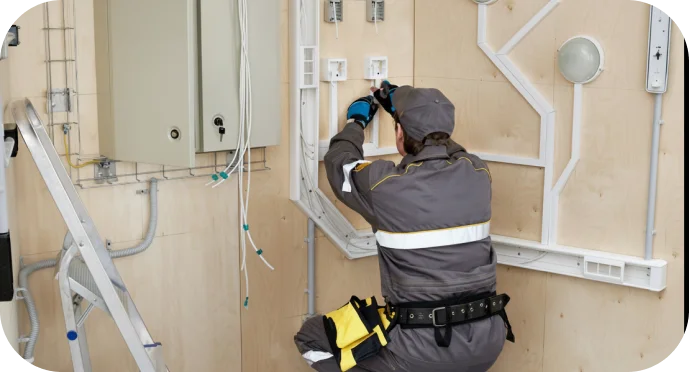
Regardless of the reference standard, the purpose of mechanical authorization is always the same:
Ensuring that workers have the knowledge and competence to perform operations safely and in compliance with local requirements.